Contents
Seminar series · Digital History in/of Central Asia · FAU Erlangen-Nürnberg · 29 June 2026
Islam's “Peripheries”
Digital humanities, algorithmic analysis, and AI in West Africa and Central Asia.
Funding · Volkswagen Foundation
An “Open Up” research project
A collaboration funded by the Volkswagen Foundation, under its Open Up — New Research Spaces for the Humanities and Cultural Studies programme.
- Start
- Autumn 2026
- Duration
- 18 months
- Team
- Two researchers · two regions
The conceptual stake
Why “peripheries”?
- In Islamic studies, sub-Saharan Africa and Central Asia are often treated as marginal
- Distant from the “real” Islam of the Middle East
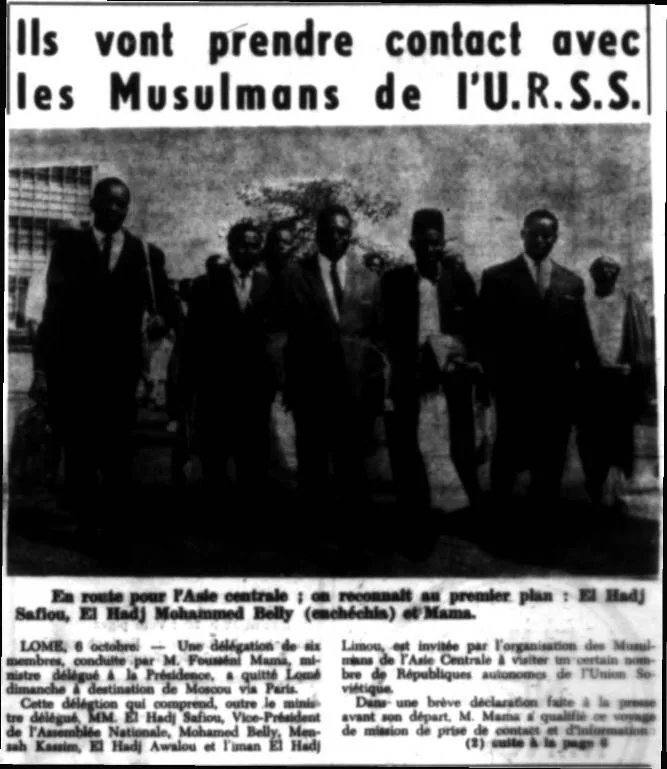
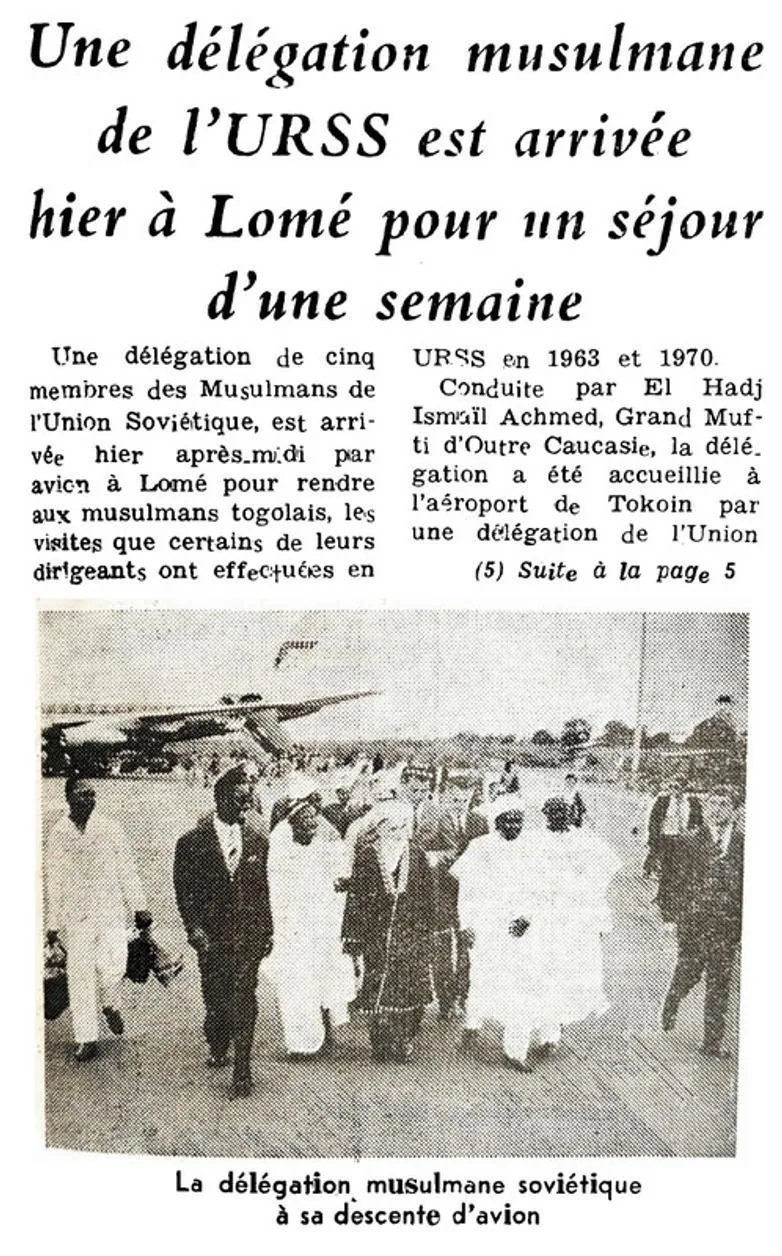
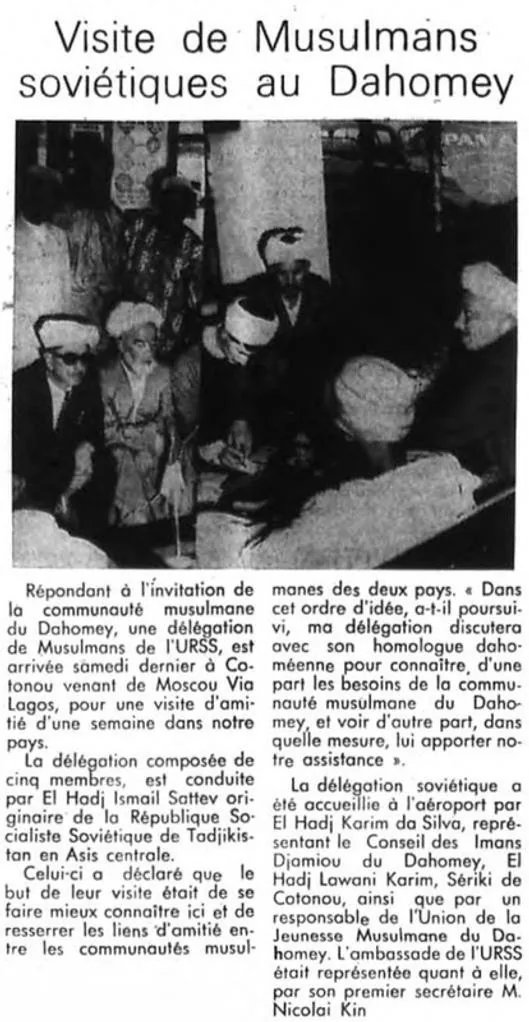
- Yet Muslim delegations from Togo and Dahomey (Benin) visited Soviet Central Asia, 1960s–70s — and vice versa
- The project challenges the centre–periphery frame itself
In the news · April 2026
Togo ↔ Kyrgyzstan, 2026
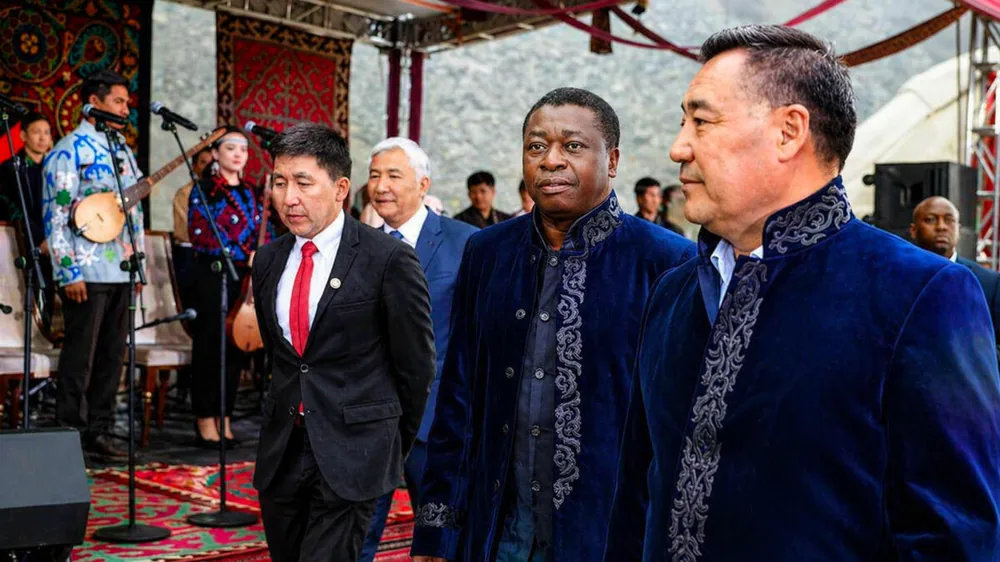
A different kind of tie in the present day. In April 2026, Togo's president made the first-ever state visit to Kyrgyzstan — diplomacy and trade now, where the 1960s links were religious.
République Togolaise
Faure Gnassingbé à Bichkek
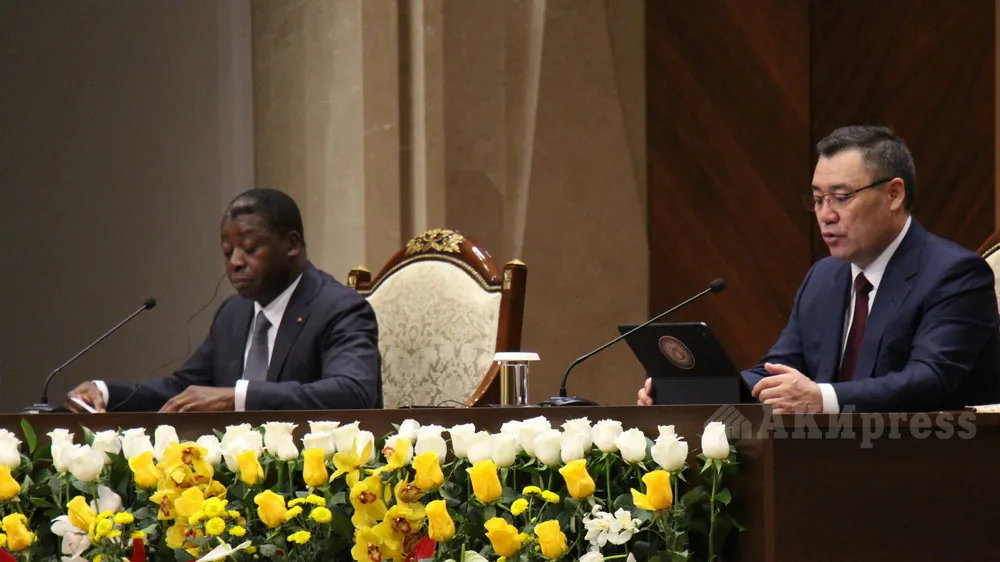
First Togolese leader to visit Kyrgyzstan · 29 April 2026 · republicoftogo.com ↗
AKIpress · Bishkek
Kyrgyzstan and Togo sign accords
Education, trade, health, digitalisation · 29 Apr 2026 · akipress.org ↗
01
The challenge
Vast multilingual archives, studied in silos.
The problem
Vast archives, locked away
Russian Arabic Hausa Ewe Kabyè Tajik French Uzbek Persian Turki German English
- Sheer volume and linguistic diversity defeat traditional analysis
- No single scholar or team reads every language and script
- Rich historical insight stays out of researchers' reach
Rarely compared
Studied in silos
- Islamic discourse and public engagement
- Post-colonial nation-building
- Western-educated Muslim voices
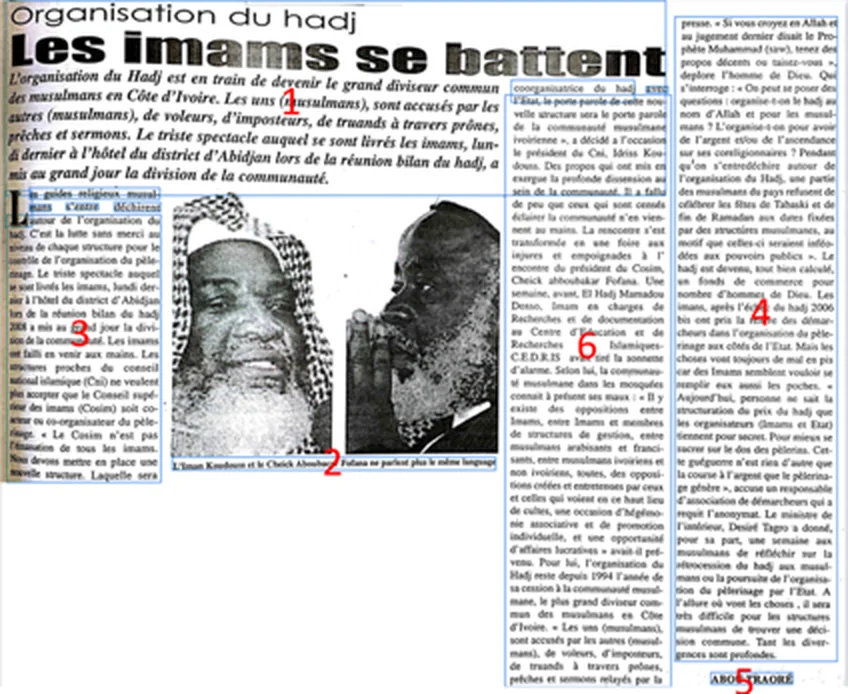
- Francophone press and audiovisual sources
- Russian imperial administration records
- Early Soviet governance of Muslim communities
- Islamic reformers and local agency
- Rare Emirate of Bukhara materials
- Secularism
- Modernity
- Development
- Islamic reformism
Both held at ZMO
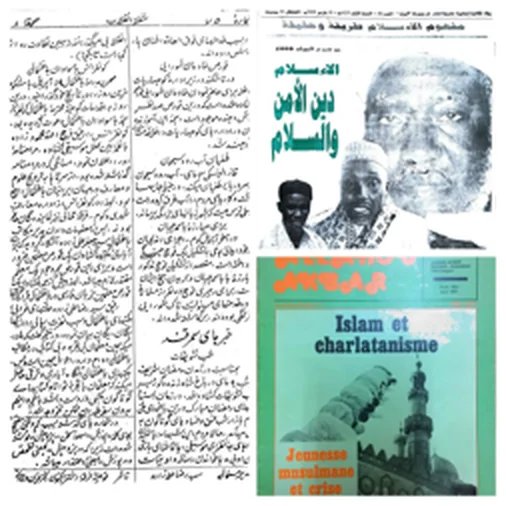
Two multilingual digital collections
(IWAC)
- 14,500+ items — newspapers, Islamic publications, audiovisual recordings, photographs
- 9,315 minutes of audio, mostly Hausa and Arabic
- 6 countries, since the 1960s
Collection
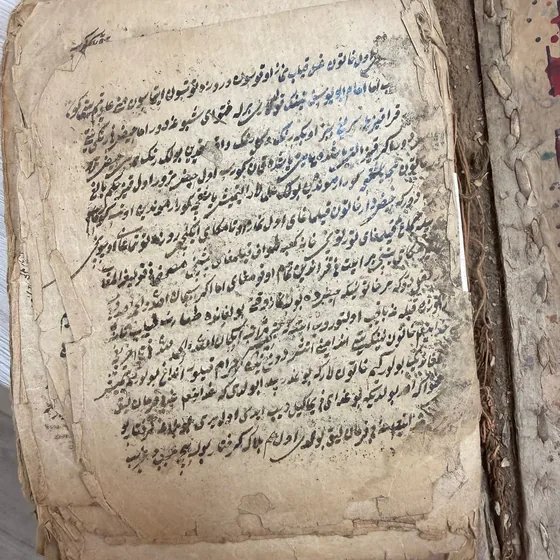
- 1,619 documents across 50 archival boxes
- Bukhara (1917–30), Soviet governance, Tajik civil war (1992–97)
- 8 languages incl. Turki; multiple scripts
Open access · islam.zmo.de
The Islam West Africa Collection
A scholar's estate · access on request
The Reinhard Eisener Collection
Fieldwork · Osh, Kyrgyzstan
A possible third collection
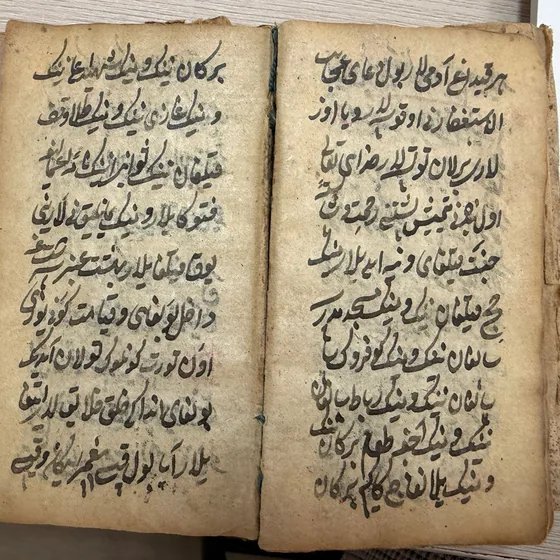
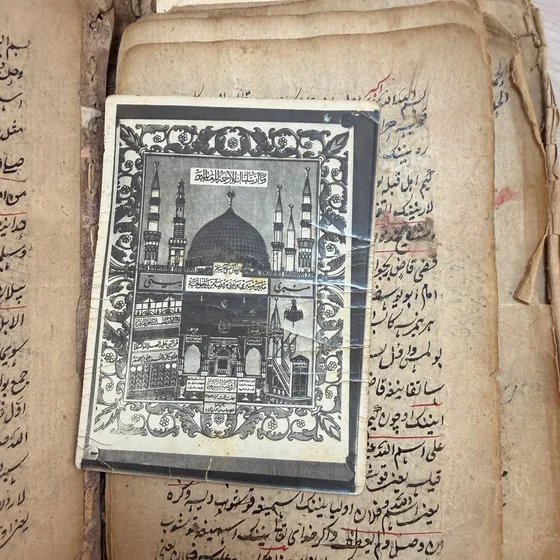
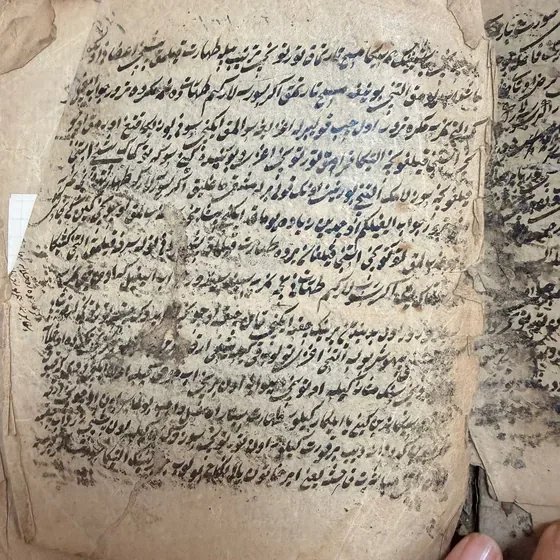
Aksana Ismailbekova has been at Osh State University, in southern Kyrgyzstan.
- The university holds a large collection of Islamic materials
- Gathered from local people across the region
- Manuscripts, devotional prints, loose-leaf texts
02
The approach
AI-driven digital humanities, built across two regions.
Research question
How can AI-driven DH methods transform access to and interpretation of these collections — enabling new comparative methods for Islamic discourse across regions?
The project's guiding question
Innovation 1 / 3
From raw documents to structured data
Multimodal LLMs turn scanned pages into structured data
- Extracts text from scans and audio — Hausa, Arabic, Cyrillic, Old Tatar
- Now reads handwriting too — cursive letters and manuscripts as well as print
- Pulls out people, places, dates as structured fields
- Opens DH methods — maps, networks, analysis at scale
Innovation 1 · in practice
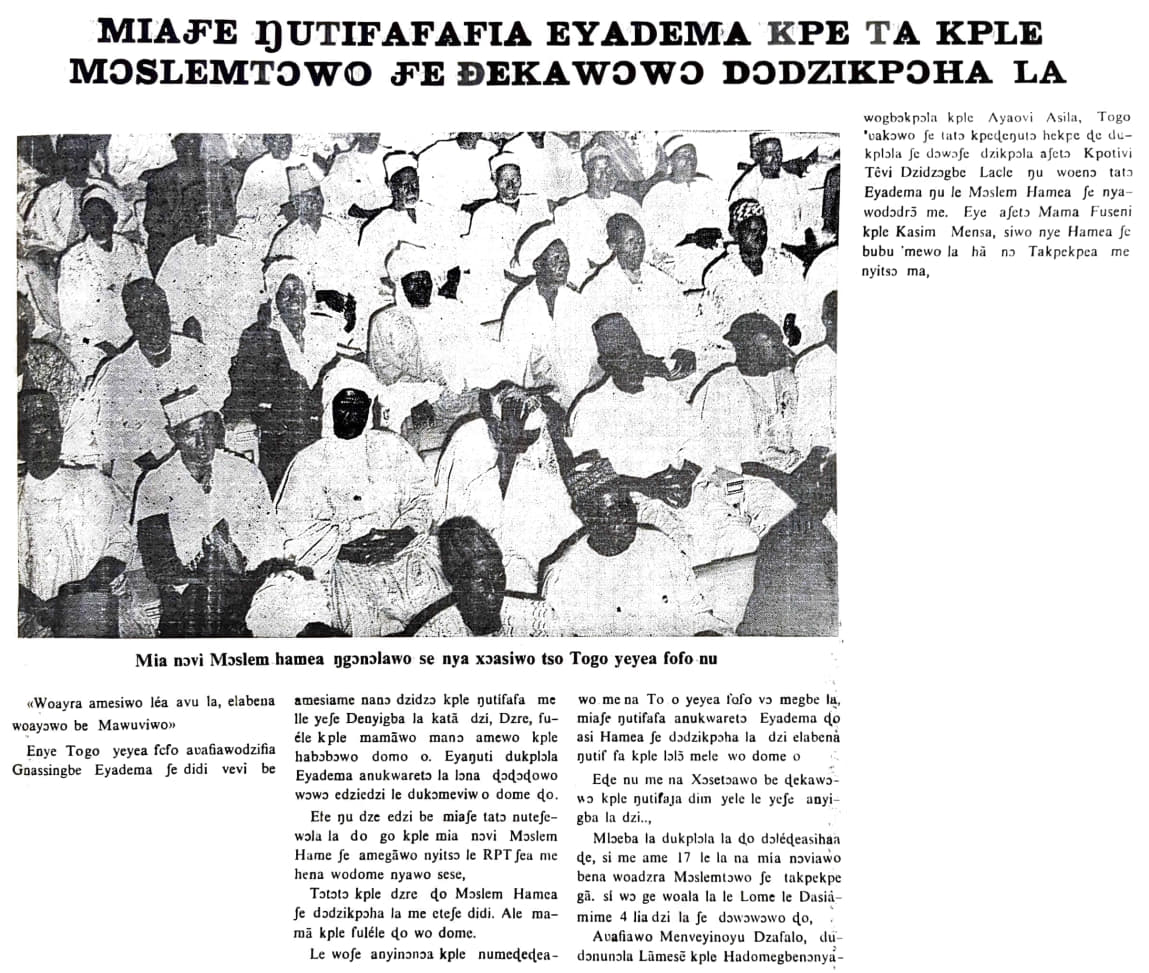
Reading printed Ewé
MIAFE ŊUTIFAFAFIA EYADEMA KPE TA KPLE MƆSLEMTƆWO FE ƉEKAWƆWƆ DƆDZIKPƆHA LA
Mia nɔvi Mɔslem hamea ngɔnɔlawo se nya xɔasiwo tso Togo yeyea fofo nu
«Woayra amesiwo léa avu la, elabena woayɔwo be Mawuviwo»
Enye Togo yeyea fofo avafiawodzifia Gnassingbe Eyadema fe didi vevi be amesiame nanɔ dzidzɔ kple ŋutifafa me lle yefe Denyigba la katã dzi, Dzre, fuéle kple mamãwo manɔ amewo kple habɔbɔwo domo o. Eyaŋuti dukplɔla Eyadema anukwaretɔ la lɔna ɖɔɖɔɖowo wɔwɔ edziedzi le dukɔmeviwo dome ɖo.
Ete ŋu dze edzi be miafe tatɔ nutefewɔla la do go kple mia nɔvi Mɔslem Hame fe amegãwo nyitsɔ le RPT fea me hena wodome nyawo sese,
Tototɔ kple dzre ɖo Mɔslem Hamea fe dɔdzikpɔha la me etefe didi. Ale mamã kple fuléle ɖo wo dome.
Le wofe anyinɔnɔa kple numeɖeɖeawo me na To o yeyea fofo vɔ megbe la, miafe ŋutifafa anukwaretɔ Eyadema ɖo asi Hamea fe dɔdzikpɔha la dzi elabenà ŋutif fa kple lɔlɔ̃ mele wo dome o
Eɖe nu me na Xɔsetɔawo be ɖekawɔwɔ kple ŋutifafa dim yele le yefe anyigba la dzi..,
Mlɔeba la dukplɔla la ɖo dɔléɖeasihaa ɖe, si me ame 17 le la na mia nɔviawo bena woadzra Mɔslemtɔwo fe takpekpe gã. si wɔ ge woala la le Lome le Dasiãmime 4 lia dzi la fe dɔwɔwɔwo ɖo,
Avafiawo Menveyinoyu Dzafalo, dũdɔnunɔla Lãmesẽ kple Hadomegbɛnɔnya-wogbɔkpɔla kple Ayaovi Asila, Togo tuakɔwo fe tatɔ kpeɖeŋutɔ hekpe ɖe dukplɔla fe dɔwɔfe dzikpɔla afɛtɔ Kpotivi Têvi Dzidzagbe Lacle ŋu woenɔ tatɔ Eyadema ŋu le Mɔslem Hamea fe nyawodɔdrɔ̃ me. Eye afɛtɔ Mama Fuseni kple Kasim Mensa, siwo nye Hamea fe bubu 'mewo la hã nɔ Takpekpea me nyitsɔ ma,
Innovation 2 / 3
Two layers: a server and a skill
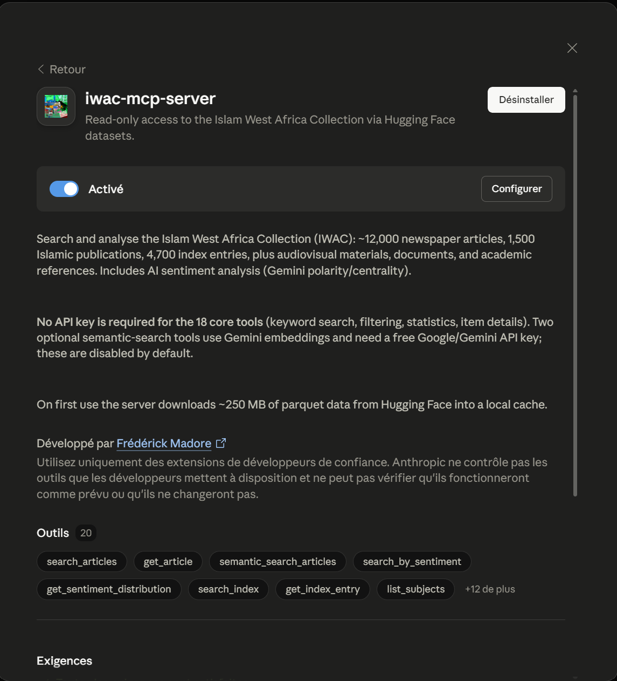
- A standardised, read-only interface any AI assistant can call — Claude, ChatGPT, or open-source
- Both collections behind one door; the data stays on our servers
- A curator's method, written down — search strategies, transliteration variants
- Bias and gaps disclosed in every answer
Innovation 2 · the potential
Grounded answers
- Claims cited back to a record — grounding curbs the hallucinations a bare chatbot invents
- Exploratory — surfaces links across people, places and subjects the catalogue keeps apart
- Read-only and verifiable — every call a lookup; the data is never handed over
Live demo · the IWAC MCP server
From a plain question to cited sources
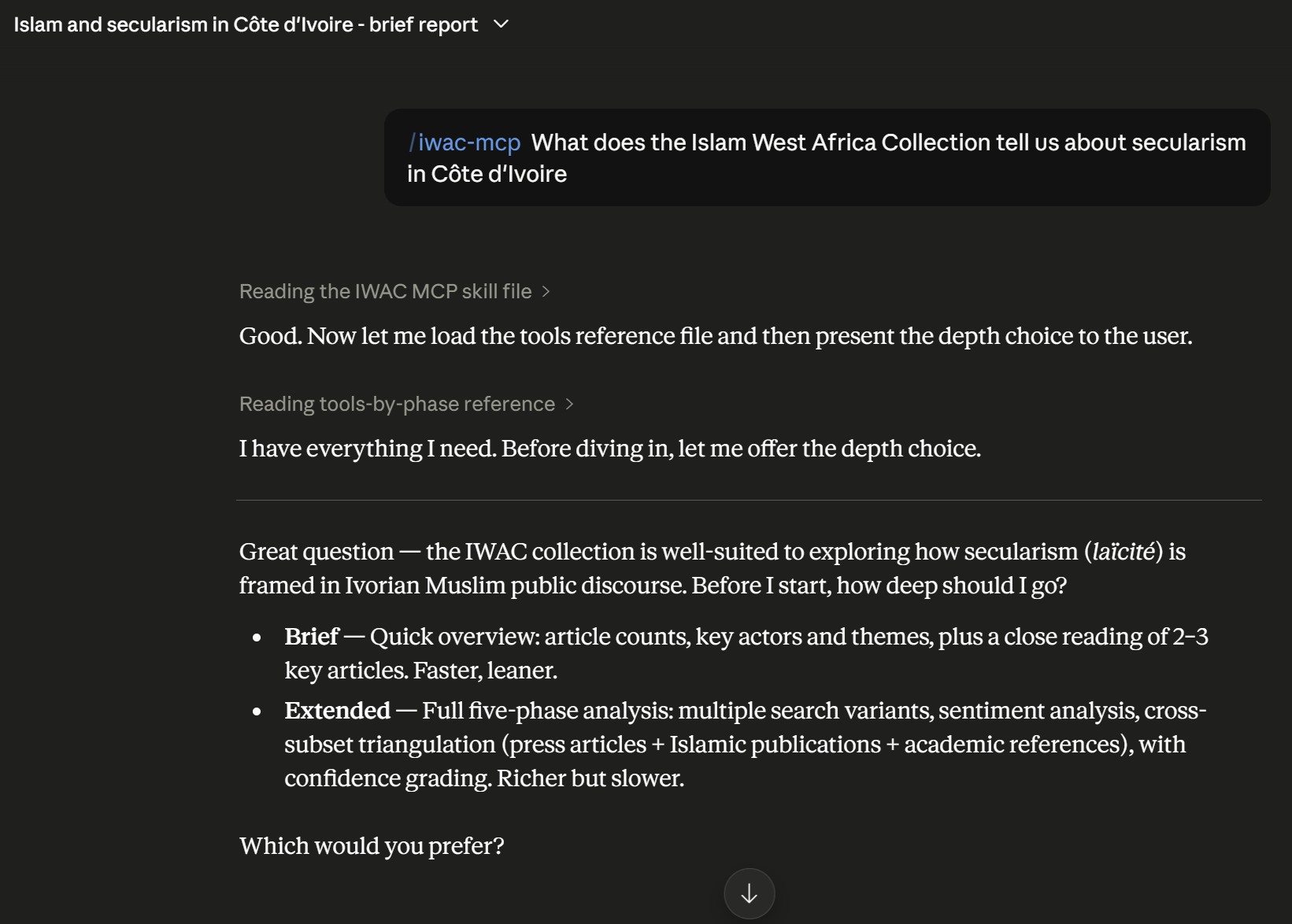
Saved run · secularism in Côte d'Ivoire
Brief — the default depth
Claude Sonnet 4.6 · high effort
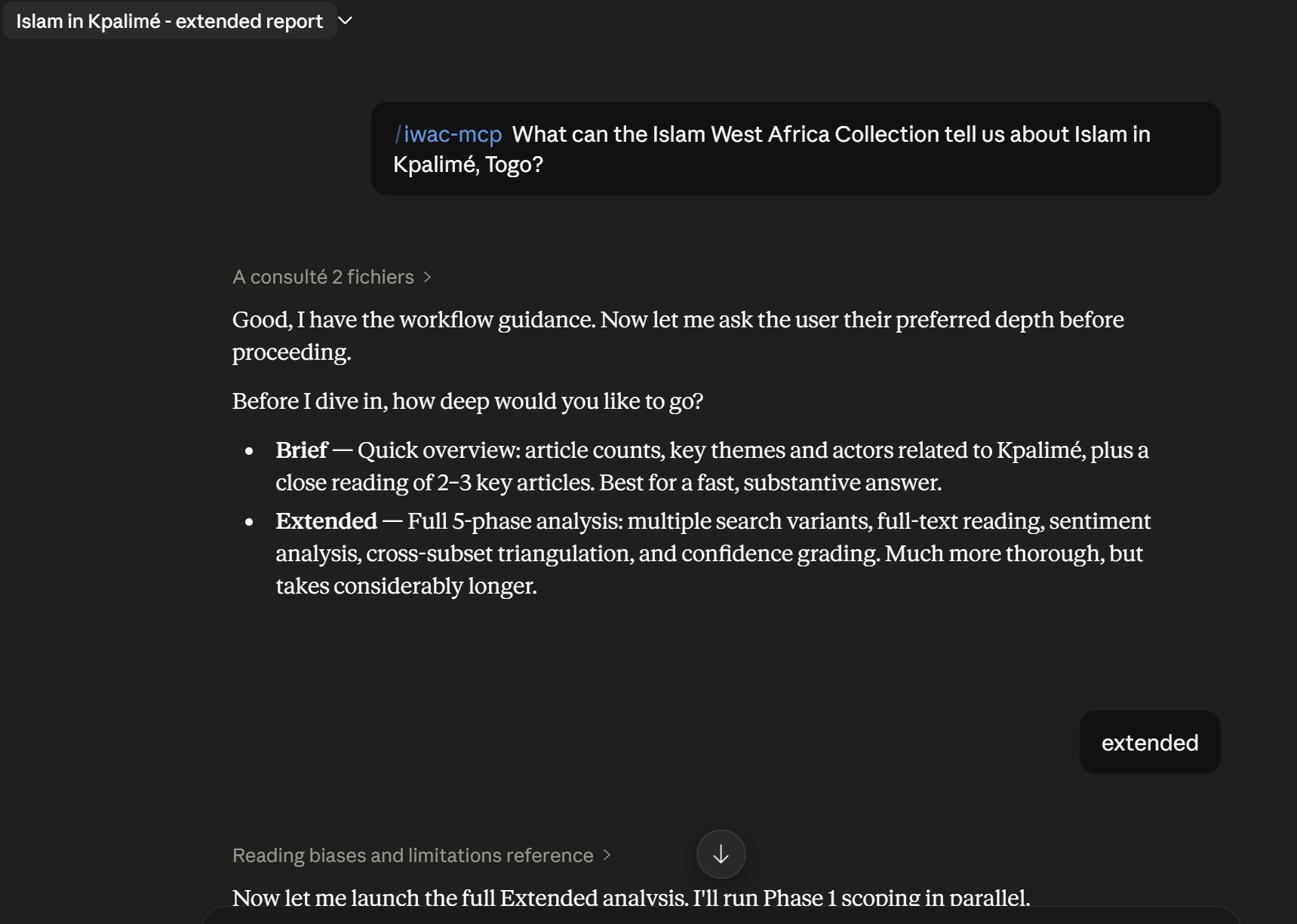
Saved run · Islam in Kpalimé, Togo
Extended — the full method
A five-phase pass — every claim traced to a record in the collection.
Innovation 3 / 3
Equitable, accessible, sustainable
Designed to run anywhere, and to be checked by people.
- Open-source models by default; commercial AI only as fallback
- Runs locally — but requires some infrastructure
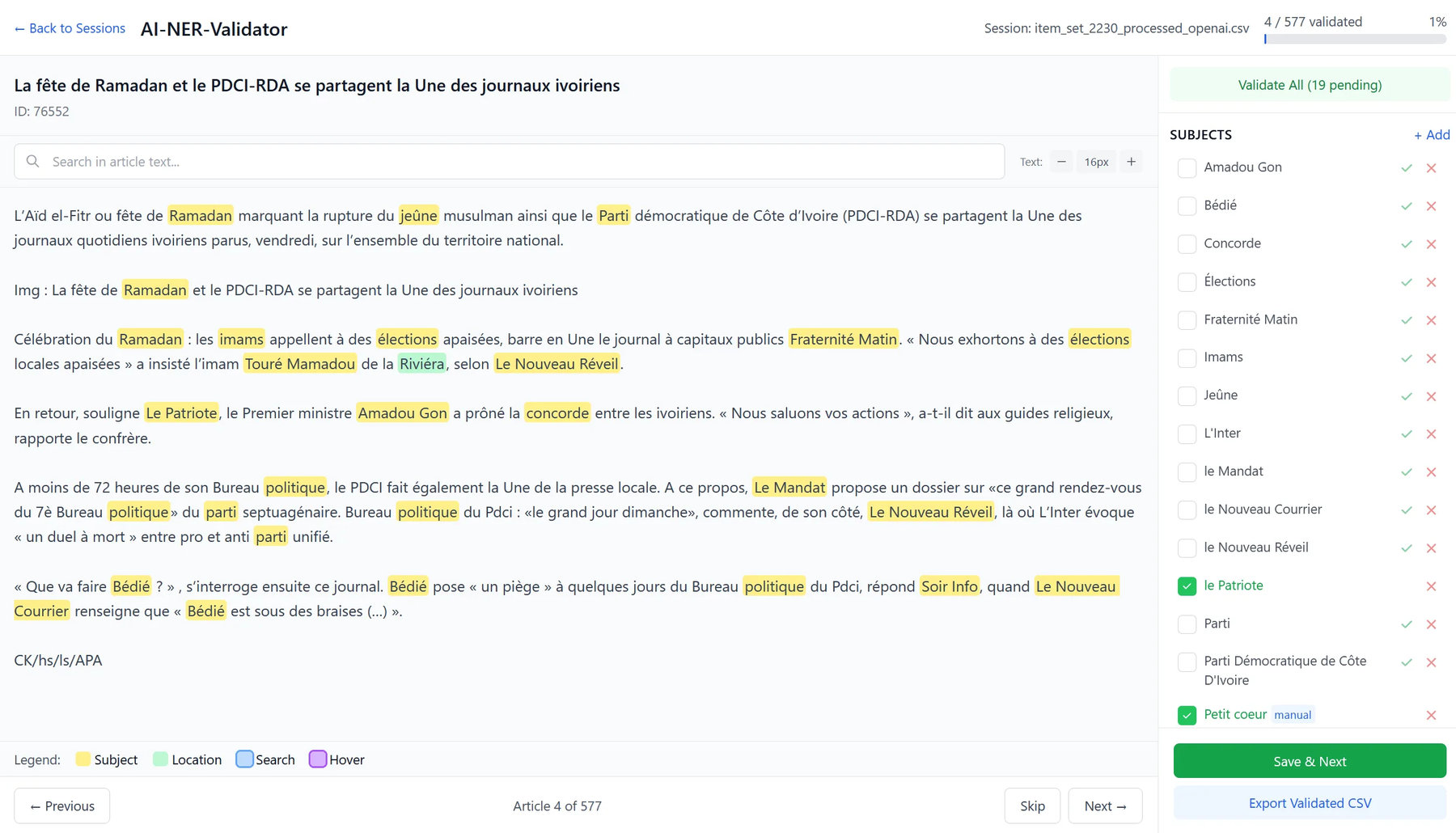
- Human-in-the-loop: experts validate before anything enters the database
- All code open access — reuse and adapt the pipelines: fmadore/iwac-ai-pipelines ↗
Potential downsides
Embracing and managing risk
| Risk | Mitigation |
|---|---|
| AI invents text (hallucination) or modernises historical spelling | Original scans preserved beside every AI output; all models and prompts documented on GitHub |
| The chatbot approach is largely untested on these collections | Iterative development; we document what works and what does not |
| Collections are only partially catalogued | AI complements — never replaces — manual cataloguing |
| AI tools evolve rapidly | Modular architecture; swap components as better tools emerge |
Where it leads
Building sustainable networks
A concluding workshop turns the tools into a lasting network
- Bringing together scholars from West Africa and Central Asia
- Interdisciplinary: Islamic studies, history, anthropology, DH
- Hands-on training for researchers, archivists, heritage professionals
- Goal: South–South networks that outlast the project
Thank you
Comparing the “peripheries”
AI-driven DH lets two locked archives speak to each other and questions the centre they were measured against.